
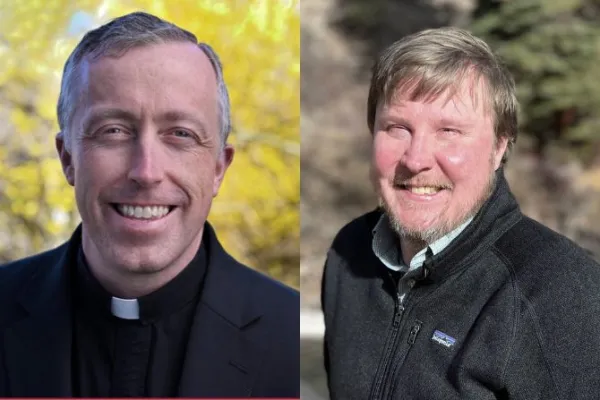
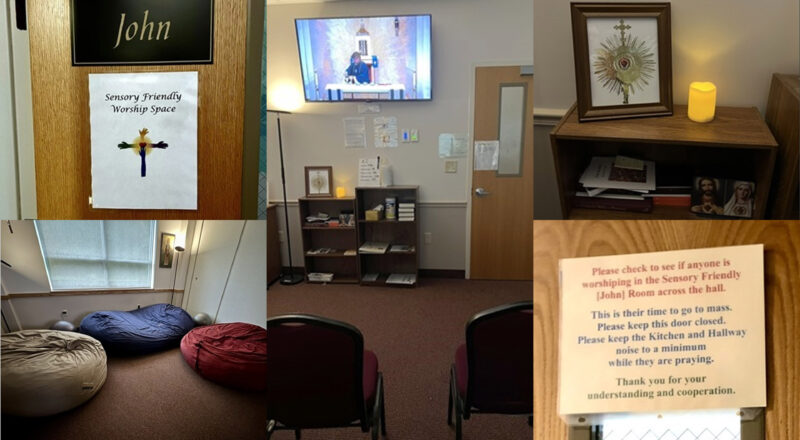
We autistics often struggle at Mass. Helping find ways to lessen this struggle is a theme I have addressed before. The sensory issues and other factors often make it difficult for us. Deacon Mark Paine in the UK recently wrote a piece on how the unwritten rules of social behavior at Mass can also be a big challenge. Deacon Mark is autistic, and often is asked to help other autistics live Mass well, so he sees both sides well. He writes of the challenges and suggests better inclusion to resolve them.
I wrote about this a bit in the beginning of my chapter on sensory-friendly Masses in Indispensable: A Catholic Guide to Welcoming Persons with Intellectual and Developmental Disabilities. My focus was on attitudes, and attitudes create these unwritten rules.
Here is an excerpt from Deacon Mark. You can read the rest on The Tablet.
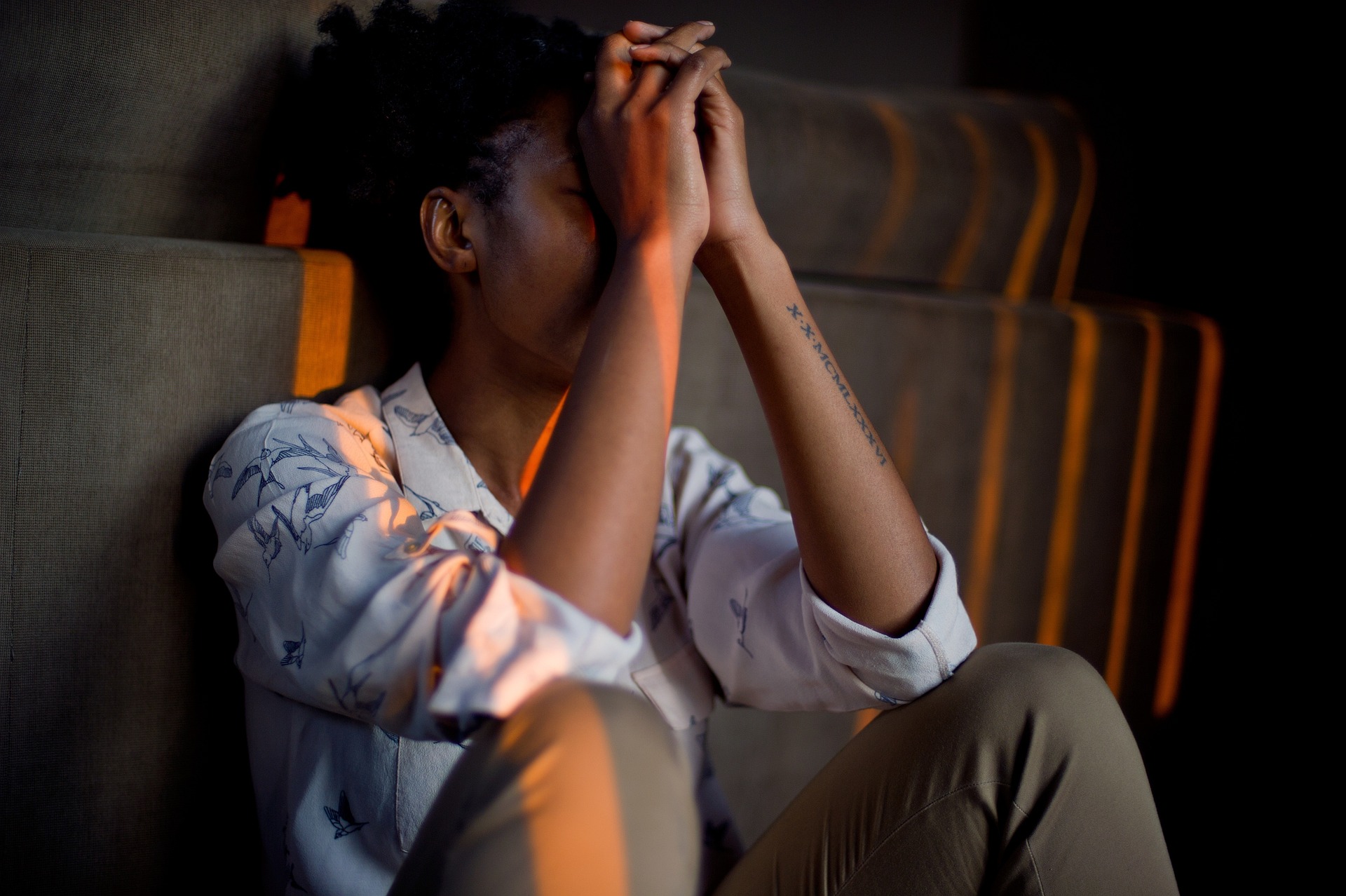
A parent once asked me: “Deacon Mark, what is expected of a child during Mass?” He had been referred to me by the diocese. His son, who is autistic, had been involved in an incident at a school Mass, after which the boy refused to return to church. The assumption – never quite stated, but clearly felt – was that he had behaved wrongly; that he had failed to meet expectations.
But what, precisely, are those expectations? And who decides them? More importantly, why was the child the only one expected to change? The Church mirrors society, and our parishes mirror our communities. The expectations we bring to Mass are shaped by assumptions about “normal” behaviour in public spaces. We rarely question those assumptions – still less notice whom they exclude.
In my ministry, I have encountered many individuals and families who feel pushed to the margins of parish life. This exclusion is almost never deliberate. It happens through glances, murmured comments, fraught expressions – a subtle but unmistakable withdrawal of welcome. A child calls out. A young woman stims in response to sensory overload. A teenager uses a fidget to regulate himself. None of these things fits the expected pattern, and so they are quietly corrected – or quietly judged.
I recommend reading the whole thing. It seems like the best article I’ve seen on the challenge of unwritten rules at Mass for autistics. We, as the Church, have the obligation to do better than society for those on the margins, but we have to honestly admit we often do worse. Deacon Mark points this out in his piece.



[…] frmatthewlc.com/blog/2026/06/11/deacon-mark-on-unwritten-rules-at-mass/ […]
The problem with this is whilst it all sounds very good in theory to make changes to a church or the public liturgy to be more welcoming (or whatever buzz word is the flavour of the day) the issue is that if churches begin to cater for certain groups, why only stop at autism? There are a myriad of sub groups that various people could be divided into and you cannot cater for every single individual and it also shouldn’t be to the detriment of the majority of the congregation. I’m not really sure why a relatively tiny group in a parish (those on the spectrum) should mean whole liturgies are changed for the majority.
First, I think there are several distinct sets of groups. Those who have moral objections to Catholic teaching. Those who have a preference for certain aspects in the liturgy. Then those who can’t fully participate in a “normal” Mass.
It is this third group where we need to have Masses adapted where they can participate. I see similar for a Mass with sign language for the deaf, a Mass in a minority language, a Mass without incense or flowers for severe allergy people, etc.
Second, I would not advocate that we adapt every Mass, but make enough Masses available and known that everyone can get to Mass. Like every parish knows where the closest sensory-friendly and Deaf Mass is, even if they don’t have one. Right now I am trying to get at least one sensory-friendly Mass in every big city in the USA & Canada, not have one in every parish.
Hello Fr. Matthew Schneider,
My name is Patrick Hawbecker. I’ve been a Roman Catholic my whole life, I was even baptized by our parish priest at the time in the presence of my mother’s catechism class. (It was actually quite useful because my mother was trying to convince some of the middle school girls the virtues are being pro-life. Seeing the newborn baby brother helped melt tbeir hearts and convince them.😅)
I am now 33 years old and I spent a good chunk of my time in my twenties discerning the priesthood. I even went to California to try the join the Salesians of Don Bosco. After 9 months there, it was agreed that they would not promote me to formation, citing they “don’t know what would happen if they put me in the Limelight.” I can appreciate their hesitancy especially since I am a unique individual, and I’ve grown in my social graces over the years, particularly in my professional life in my four years being a special education teaching assistant. Furthermore, they had to look out for themselves considering the time I was over there it was only a year or so in the wake of a credibly accused priest. Therefore, I can appreciate why their radar for anybody weird was high.
Last Summer I decided to take upon myself to get an adult autism diagnosis, though it being slightly harder than one might think it is to obtain considering our current climate. It was actually an easy process after I found a system that would accept my insurance, called Prosper Health. But as a young man who has lived his entire life not knowing that he had autism, you can appreciate that I don’t necessarily fit in to the stereotypical stereotypes of a person with autism. I never had the overtly obvious needs for fidgets or safe spaces to regulate. However, working with special needs teachers constantly, they shared with me some of the indicators that would fit within the pattern, specifically in my life and how my expression is. As the expression goes, knowing is half the battle.
So as you can imagine, the majority of my life has been trying to find where God wants me to be. I thought for the longest time he wanted me to be a missionary priest, and then a Salesian of Don Bosco considering my affinity for teaching children. But like the California culture of the high school at which I started out my candidacy, I didn’t fit in. Similarly, I have discerned with and even apply to a few other communities like franciscans, so many franciscans. Very often every time I have attempted to apply, I have been rejected. Once I was so close but then I was told by one community that their system changed and they need to have a formation house now… Some communities have been more forthcoming with a direct answer as to why they reject me, like the Salesians, for which I give them credit.
I once read about journey of another young man with autism who also wanted to be a priest named Alex Gick. Of course, I wasn’t so overt with my criticism as he is, like in his college article here: outreach.faith/2025/04/i-am-gay-and-autistic-what-does-that-mean-for-my-catholic-faith-2/
With that said, I’m highlighting the diverse struggles multiple people with autism have with what they perceive to be God’s calling. In the most recent years I have not continued my pursuit of any religious communities. Rather, I’ve been focusing on trying to become the lead special ed teacher. If I ever do feel the talking on my heart to discern again to the priesthood, what advice would you give? Is there any strategies you can share that would decrease the likelihood of being judged because of our autism, within the social construct found within the Catholic Church at this time?
I think your struggles are similar to a lot of other autistics. I avoid giving specific advice off comments like this as I need to know the individual more. Two notes though.
1. I do think your idea of doing the best where you are matches a lot of spiritual authors who propose that we become holy in our daily lives.
2. 33 is not too old to start in the seminary or many communities. If you have matured a bunch in the past decade – autistics in situations like yours often get closer to the maturity of their age through their 20s and 30s – then a community or diocese might accept you. The self-knowledge that often comes from a year or two with an adult diagnosis can help in ways that make a priestly or religious vocation more doable. I don’t know you enough to be specific but I would not eliminate this just based on age.