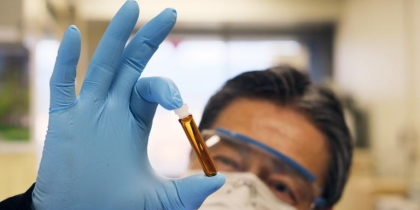
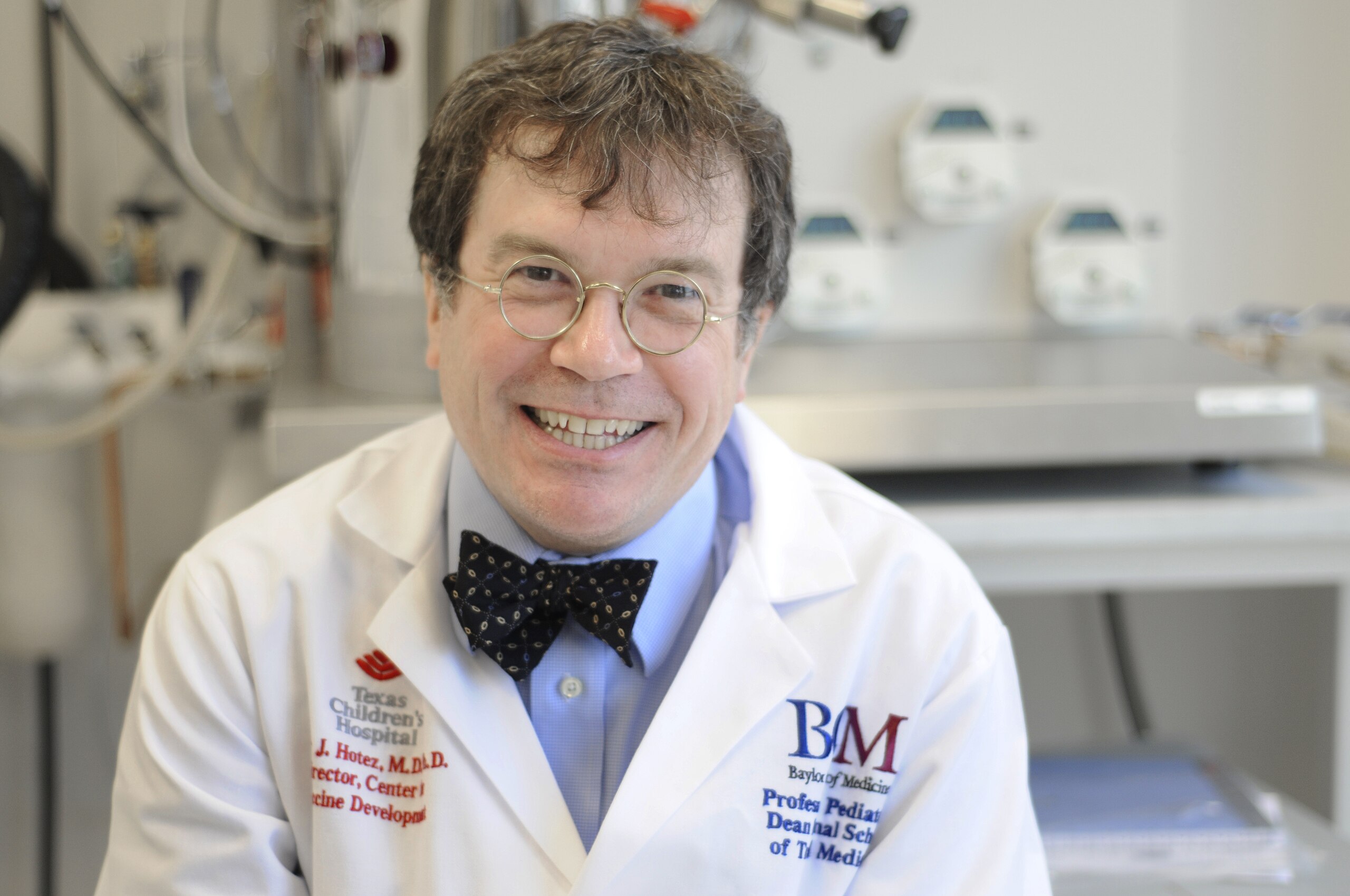
A bit ago, Dr. Peter Hotez published “Vaccine Science Diplomacy and ‘The Phenomenon of Man'” in the Linacre Quarterly. Much of it is looking at Teilhard de Chardin’s theories and their application, but that was not what I thought needed to be shared. Instead, he points to the issues of vaccine nationalism and the struggle to get COVID-19 vaccines to areas with less monetary resources. This is an important moral issue often overlooked in Catholic circles online about vaccines, and Hotez has a personal connection. I noted Pope Francis’ s call to ensure the poor get vaccines before, but Hotez goes further. This piece will draw from this article, which is unfortunately behind a paywall for most of you.
(Note: I wrote this and did not publish it immediately, then forgot and only later realized I had not posted it.)
Hotez on Vaccine Nationalism
He states:
Nations hoard vaccines for themselves and this causes issues elsewhere. Hotez notes:
The US Operation Warp Speed COVID-19 vaccine program successfully accelerated new technologies, including mRNA, adenovirus-vector, and particle vaccines, but these vaccines could not be produced in sufficient quantities. For the first two years of the pandemic, the US and Canada, as well as the United Kingdom (UK), Israel, and Western European nations had privileged access to mRNA vaccines from Pfizer and Moderna, leaving out most of the world’s low- and middle-income countries (LMICs). According to one estimate, over this period roughly only one-third of people on the African continent received a dose of a COVID-19 vaccine, whereas high-income nations (representing less than 15% of the global population) purchased more than one-half of global vaccine doses.
It is good that we have vaccines and extra doses help some but it is a tragedy that others do not.
China and Russia were even more problematic: they only allowed locally developed vaccines, knowing they were less effective.
Hotez notes how some efforts were made to overcome this:
To accelerate vaccine equity and diplomacy, but also bypass toxic vaccine nationalism, efforts were made to create alternative pathways for COVID-19 vaccine production and distribution. One of the successful approaches included partnerships between US or UK academic institutions and LMIC vaccine producers to directly transfer technology for local scale-up, production, and distribution… The Texas Children’s Hospital Center for Vaccine Development (Texas Children’s CVD) [where Hotez works] took this one step further by bypassing multinational pharmaceutical companies altogether and directly transferring its prototype vaccine technology directly to LMIC producers in India and Indonesia. This approach was considered more aligned with the original framework for vaccine diplomacy since it involved direct and international cooperation between scientists and was done in ways to maximize access without seeking large financial returns.
These different methods of overcoming these challenges are good.
Hotez’s Patent-free Vaccine
Hotez is not just move production to the developing world, he and his team produced a low-cost patent-free vaccine. He explains, “The Texas Children’s CVD COVID-19 vaccine technology utilizes genetic engineering in yeast followed by microbial fermentation to produce a recombinant protein version of the COVID-19 spike protein receptor-binding domain.” ANother advantage of this is that is stable at normal temperatures while the two main US vaccines require extremely cold temperatures for storage and transport.
They got manufacturers in India and Indonesia to produce this vaccine known as CORBEVAX. He explains:
Approximately 74 million doses of CORBEVAX have been administered as a primary immunization and booster to school children, with 10 million adults receiving CORBEVAX as a booster after previously receiving either Covishield or Covaxin (whole-inactivated virus vaccine made by Bharat Biotech in India). These doses were delivered at around $3 dollars per dose.
Challenges to Vaccines
Hotez notes the challenge of vaccine hesitancy:
Promoting equity through vaccine science diplomacy is an essential element for ensuring global access, but it faces an accelerating threat because of rising hesitancy and vaccine refusal. An essential point that is not always intuitively obvious: Today, overcoming vaccine hesitancy and refusal is as fundamental to achieving vaccine equity as promoting vaccine diplomacy.
He notes later how this tragic phenomenon has spread from the US to other developed and now to developing countries. He concludes:
The universe of anti-science is expanding rapidly and threatens the enormous global health gains of the last two decades, including the accelerated progress in vaccine development that occurred for COVID-19 vaccines. Vaccine nationalism demonstrated the fragility of vaccine diplomacy and equity, but now anti-science is positioned to cause further unraveling.
We need to help Catholics take our birthright of being pro-science. Science comes from Catholicism. We should promote vaccines like Hotez does, given how much they help people.